
FEATURED TOPICS
Explore various topics related to nutrition and health. Drawing on our nutritional expertise, we provide clear background information on what happens inside the body and the role that nutrition and lifestyle can play.
Dysphagia (difficulty swallowing)
Dysphagia is a swallowing disorder that makes the swallowing process difficult. The difficulties associated with dysphagia can occur during various phases of swallowing. Swallowing disorders are common among the elderly.

Malnutrition
Malnutrition results from insufficient food intake relative to the body’s increased needs. Malnutrition is not only evident through weight loss. A loss of muscle strength, mass, and function can also be caused by malnutrition.
Muscle atrophy (loss of muscle mass)
Muscle atrophy is the process by which muscles become thinner and weaker (atrophy). As people age, they experience a natural decline in muscle mass and a slowing of their metabolism. This is caused, among other things, by hormonal changes and a decrease in physical activity.
Neurological disorders
A neurological disorder is a condition affecting the nervous system. Structural, biochemical, or electrical abnormalities in the brain, spinal cord, or other nerve cells can cause a variety of symptoms.

Food Allergies and Intolerances
Food hypersensitivity is a physical reaction to a food and manifests in two forms. In the case of a food allergy, your body reacts to a specific food through your immune system. This is not the case with food intolerance, which is often caused by an enzyme deficiency.
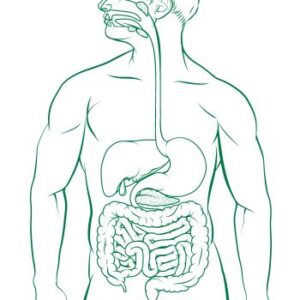
Bowel transit
The path that food takes through the intestines can be disrupted by changes in daily habits such as diet, stress, travel, and so on. Common symptoms include abdominal pain, bloating, and changes in bowel movements.

Irritable Bowel Syndrome (IBS)
Irritable bowel syndrome (IBS) is sometimes also referred to as “spastic colon ” or “spastic bowel.” IBS affects 15–20% of the population, of whom only 1 in 3 seeks medical help.

Vitamins & Minerals
Vitamins and minerals are essential nutrients that our bodies need to function properly. They play a crucial role in various biological processes.

Diabetes
Diabetes mellitus, or diabetes, is a chronic condition characterized by high blood sugar levels. What is diabetes? What are the different types? What can you do about it? Find out on this page.

Obesity
Overweight and obesity result from a chronic imbalance between energy intake and energy expenditure, leading to fat accumulation and weight gain. Consequently, overweight and obesity are associated with a host of additional health problems.

Phenylketonuria (PKU)
Phenylketonuria, or PKU for short, is an autosomal recessive inherited metabolic disorder. The enzyme phenylalanine hydroxylase (PAH) is absent or nonfunctional in people with this disorder. Read all about this topic in this article.
Nephrology and Cardiology
Nephrology: When the kidneys fail, fluid and waste products build up in the body.
Cardiology treats cardiovascular disorders, or heart and vascular diseases. Heart disease remains the leading cause of death among adults in the Western world.