
Miscellaneous Dietary Foods
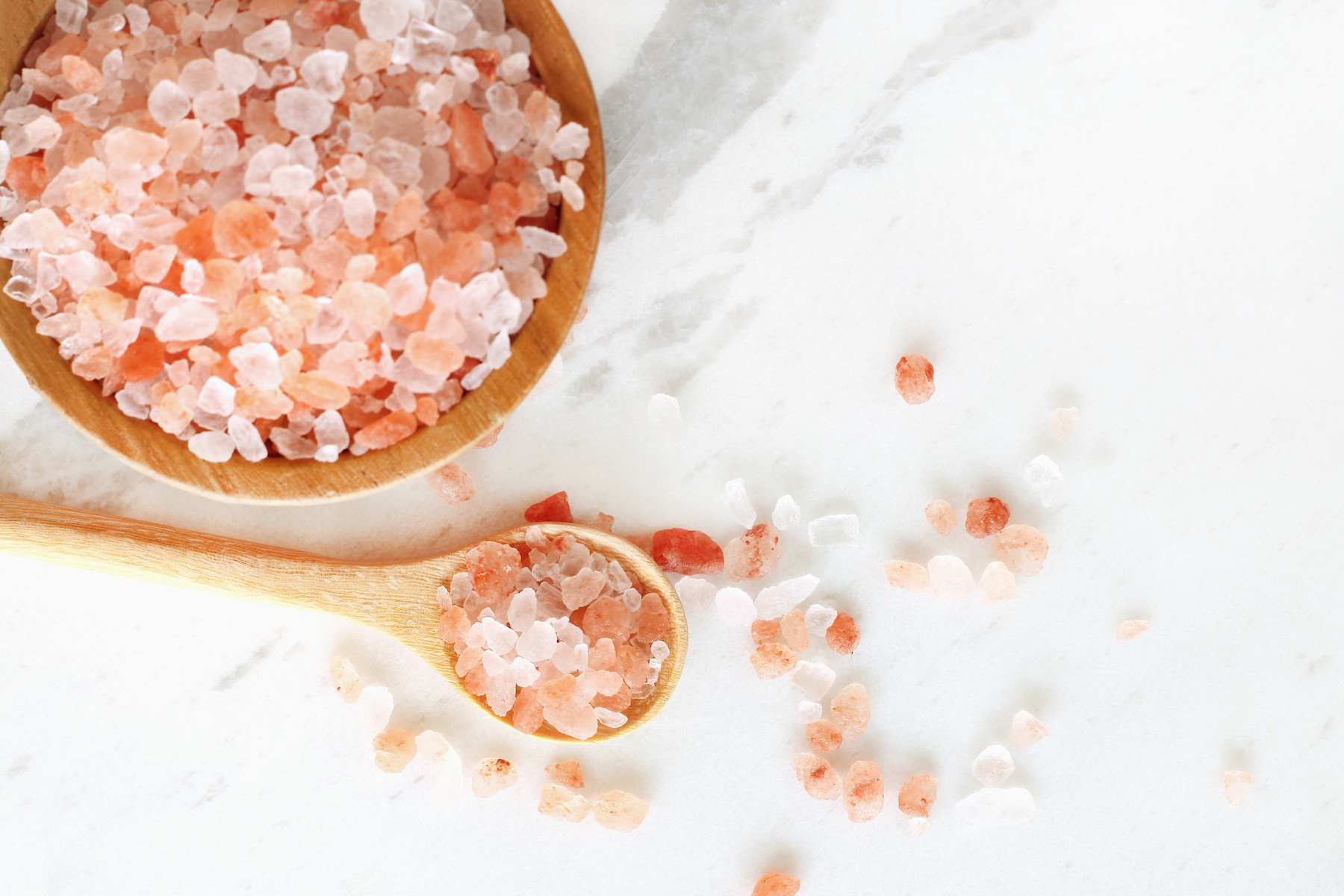
Low-Sodium – Less Salt
On average, we consume 10 grams of salt per day. Our bodies only need 1–3 grams of salt (400–1,200 mg of sodium) per day. So we consume five times as much salt as our bodies need.
Legal claims:
- Low in sodium or low in salt = less than 0.3 grams of salt per 100 grams.
- Very low sodium or salt content = less than 0.1 grams of salt per 100 grams.
- Sodium-free or salt-free = less than 0.0125 grams of salt per 100 grams.
- No sodium / salt added = no salt has been added; the product contains no more than 0.3 grams of salt per 100 grams.
Less fat
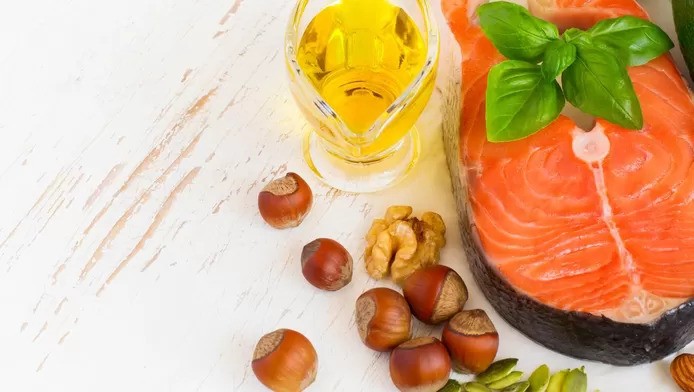
The claim “low-fat” may be used for meals and products if they contain less than 3 grams of fat per 100 grams.
You can easily include unprocessed vegetables, fruit, potatoes, rice, pasta, meat, chicken, turkey, and fish in your diet. You can also continue to eat bread, milk, and dairy products such as yogurt and sour cream. Herbs and spices add color, aroma, and flavor to your meals.
Vegan
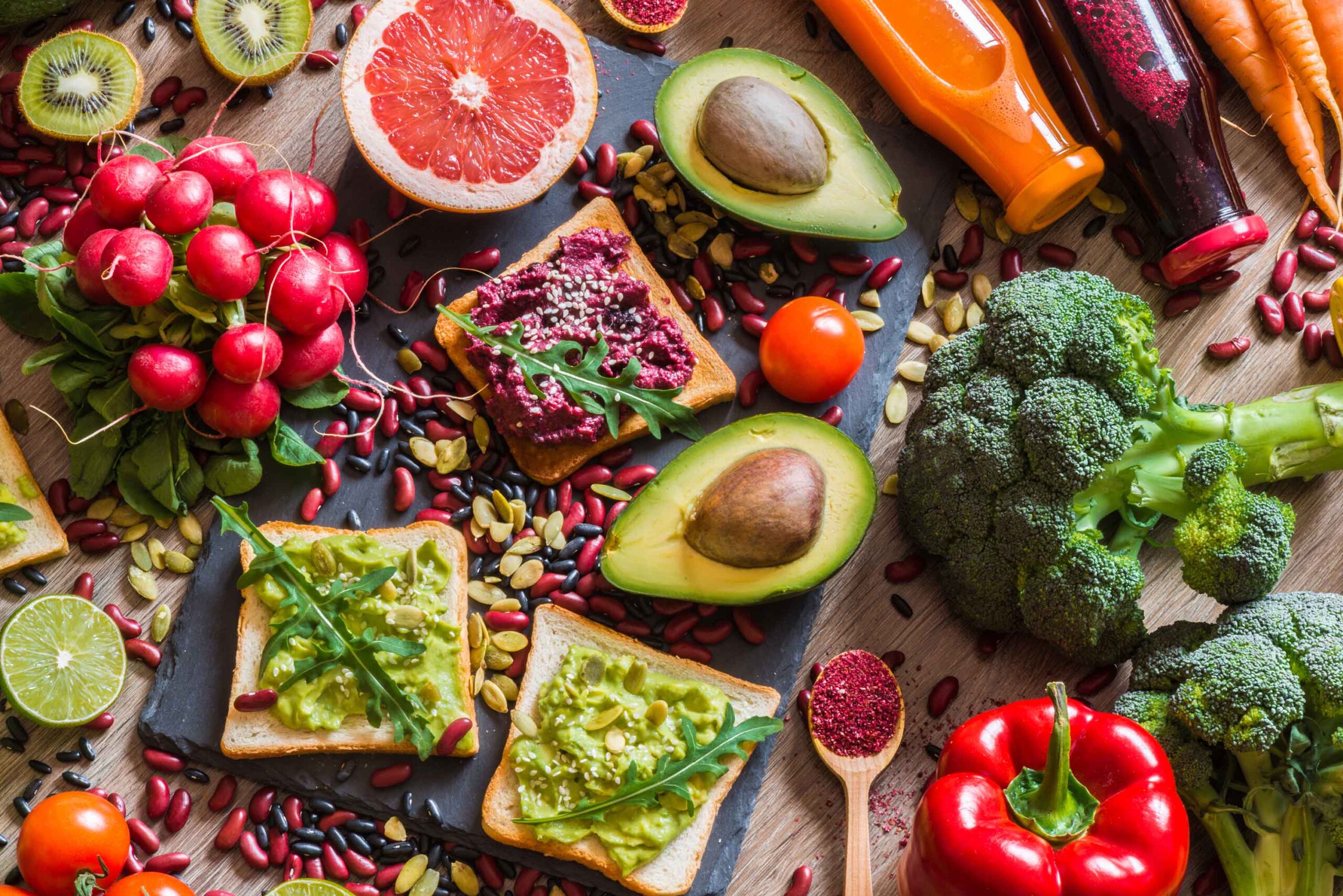
A vegan diet excludes animal products. Obvious examples include meat, fish, chicken, dairy products (animal milk, yogurt, cheese, butter…), eggs, honey, gelatin, and animal-based broth.
“What on earth do you eat then?!” is the most common question that spontaneously pops into people’s minds. With a huge variety of healthy vegan staples—such as vegetables, fruits, grains, legumes, nuts, seeds, and herbs—you can create endless combinations and prepare delicious meals.
Vegetarian
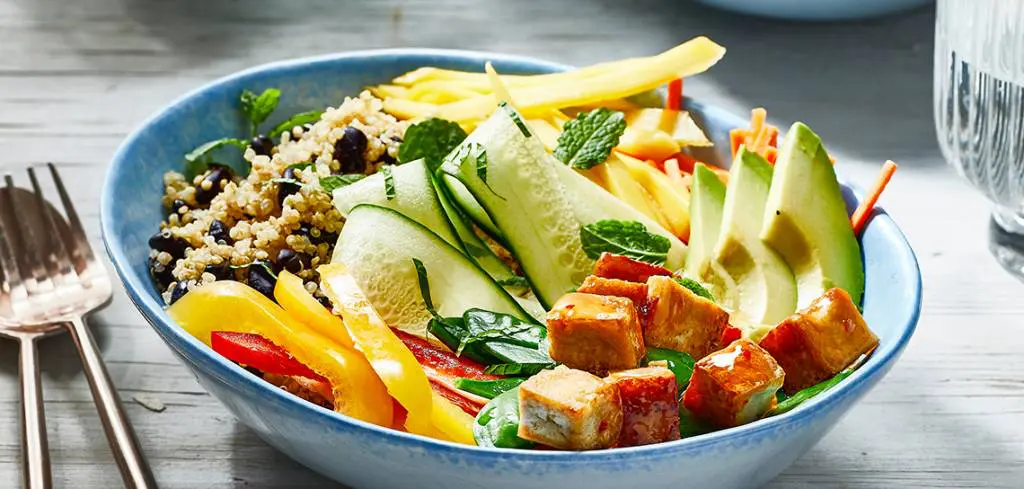
Vegetarianism is a diet in which one does not eat meat (including poultry), fish, shellfish, or insects, or foods that contain these ingredients.
Byproducts of slaughtered animals, such as animal rennet and gelatin, are also excluded from the diet. Vegetarian rennet is permitted, however, and this is indicated on the label. Instead of meat and fish, people eat plant-based foods such as fruits, vegetables, grains, legumes, and nuts, sometimes supplemented with vegetarian animal products such as dairy, honey, and eggs.
Low-protein – Protein-restricted
Proteins are important for our body’s cells and are therefore essential nutrients. Fortunately, we get proteins every day through our diet. Disorders in protein metabolism cause symptoms such as nausea, headaches, and fatigue. Following a protein-restricted or low-protein diet is necessary and helps prevent complications.
Bread, potatoes, and vegetables contain very little protein. Foods that contain no protein include tea, coffee, lemonade syrup, honey, oil, sugar, jam, and fruit. Protein-rich foods include meat, fish, poultry, dairy products, legumes, …
Would you like to order our products for business purposes?
Please contact your regional representative.
Professionals can place orders directly with us.
Those who already have a login can order the foods we offer through the online store.



Why Revogan?
" (a Ghent pharmacy)
Nutrition & Health
, a Belgian family-owned business since 1965
carefully curated